
🧊 Cryotherapy (CryoPen) vs Verrutop for Verrucas

⚙️ How Each Treatment Works
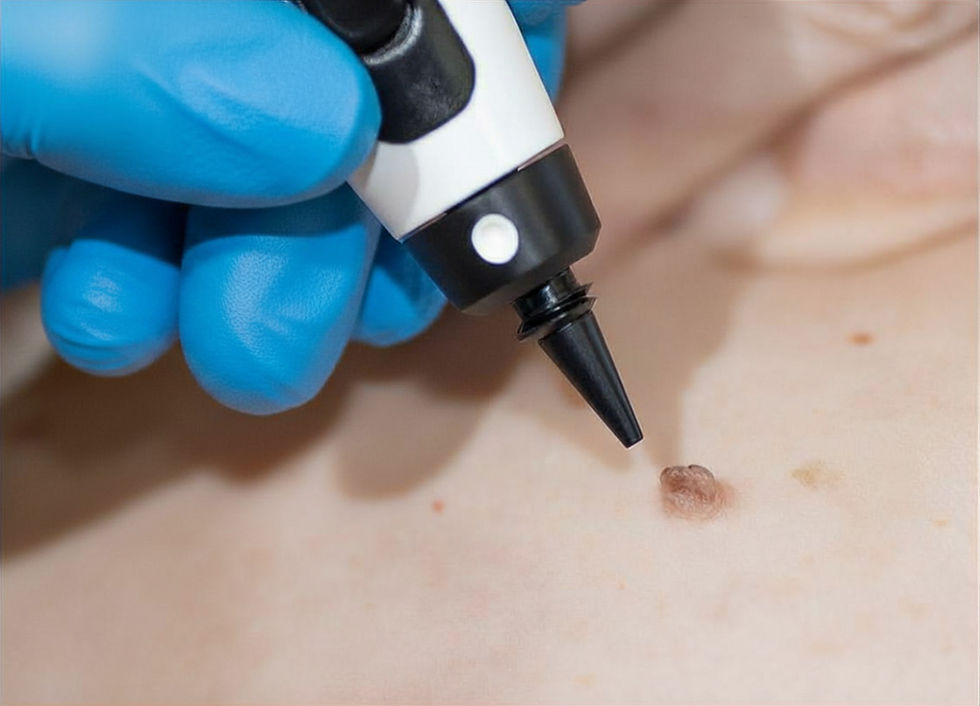
Uses extreme cold (≈ -89°C nitrous oxide)
Causes rapid freezing → cell rupture → tissue destruction
Also stimulates a local immune response against Human papillomavirus
Involves freeze–thaw cycles
Uses a Nitrizinc complex (nitric acid + zinc + copper salts)
Causes chemical dehydration (“mummification”) of wart tissue
Denatures viral proteins → lesion dries and detaches
Does not freeze or burn tissue
📊 Direct Comparison Cryotherapy vs. Verrutop
Feature | Cryotherapy (CryoPen) | Verrutop |
Mechanism | Freezing & tissue necrosis | Chemical dehydration & protein denaturation |
Pain level | Moderate (stinging/burning) | Minimal to none |
Invasiveness | Mildly destructive | Non-invasive topical |
Treatment frequency | Often weekly cycles | Every ~2 weeks |
Sessions required | Often multiple (3–6+) (Cryopen) | 1–6 (avg ~3) (verrutop.co.uk) |
Effectiveness | Variable (moderate success) | Up to ~90% reported (verrutop.co.uk) |
Best for | Thick, deep, painful plantar verrucae | Smaller / less keratinised lesions |
Downtime | Possible soreness, blistering | Minimal disruption |
Risk of blistering | Common | Rare |
Scarring risk | Low–moderate (only if aggressive) | Very low |
Immune stimulation | Yes | Limited/direct chemical effect |
🌟 Advantages of Cryotherapy
Better for deep plantar verrucas (especially weight-bearing lesions)
Physically destroys infected tissue quickly
Can stimulate immune clearance of virus
Widely established and clinically familiar
👉 Particularly useful for:
Painful verrucas under pressure
Mosaic or long-standing lesions
Where topical and/or over-the-counter treatments have failed
🌟 Advantages of Verrutop
Virtually painless
No blistering or downtime
High reported clearance rates (up to ~90%) (verrutop.co.uk)
Suitable for:
Children (age 6+)
Needle-phobic or pain-sensitive patients
Doesn’t damage surrounding tissue
👉 Particularly useful for:
Smaller verrucae
Non-weight-bearing areas
Patients who cannot tolerate cryotherapy
⚠️ Limitations of Each
Cryotherapy Limitations
Can be painful (especially on soles)
Can cause:
Blistering
Downtime with walking discomfort (less likely at OCP - deflective insoles are issued as standard).
May require multiple aggressive sessions
Less effective if verruca is very thick (unless well debrided - this is a normal part of the treatment protocol at OCP)
Clinic-only application
Verrutop Limitations
May be less effective on thick plantar lesions
Requires strict application technique
Works more gradually (not instant destruction)
Clinic-only application
🧠 Clinical Insight
This is the key difference:
Cryotherapy = destructive + immune-stimulating
Verrutop = chemical + tissue-selective
👉 In real-world podiatry:
Cryotherapy tends to be more aggressive and versatile
Verrutop tends to be more patient-friendly and comfortable
🏁 Which Is Better?
It depends on the type of verruca and patient factors:
Choose Cryotherapy if:
Verruca is deep, painful, or long-standing
Located on weight-bearing areas
Patient can tolerate discomfort
Choose Verrutop if:
Verruca is smaller or superficial
Patient is pain-sensitive or a child
You want minimal downtime and high comfort
💡 Best Approach
The best approach is to tailor the management plan to the patient! Book in for an Initial Assessment (New Patient) where we can have a thorough conversation to discuss your options and commence treatment to get you back on your feet!


Comments