
Unveiling the Mysterious Ways Menopause Impacts Your Feet: What You Need to Know!

Updated: Mar 17
Menopause can bring a surge of changes, both physically and emotionally. While discussions often focus on hot flushes, mood swings, and other well-known symptoms, there’s one area that frequently gets overlooked: our feet! Yes, really. As hormonal levels fluctuate, your feet can also experience significant changes. Let’s explore how menopause affects your feet and discover strategies to keep them happy and healthy during this transition.
Understanding Menopause and Its Physical Impacts
Menopause typically occurs between the ages of 45 and 55, signaling the end of a woman's reproductive years. During this phase, oestrogen levels decrease, leading to various physical changes that impact foot health. For instance, research indicates that nearly 75% of women report foot problems during menopause, including changes in foot shape. new aches and pains and swelling.
As oestrogen levels drop, hydration and elasticity in connective tissues can decrease. This can result in changes such as flat feet or wider foot dimensions. Additionally, these hormonal shifts can heighten sensitivity in the feet, making them more prone to discomfort. Furthermore, conditions like joint pain related to menopause can complicate foot health. Understanding and addressing these changes is crucial for maintaining foot comfort during menopause.
Metatarsalgia: The Pain Beneath Your Feet
Metatarsalgia is a condition characterized by pain in the ball of the foot, often exacerbated during menopause. Hormonal changes can lead to weight redistribution, increasing pressure on the metatarsal bones. For example, studies have shown that overweight women in menopause have a higher incidence of metatarsalgia, making it essential to listen to your body. (Sorry, gals).

If you frequently feel aches in this area, it's time to make some adjustments. Opting for footwear offering arch support and cushioning is vital. Look for shoes with a spacious toe box that prevent cramping. Additionally, practicing simple foot exercises — like rolling a tennis ball under your feet or stretching — can strengthen the muscles and improve flexibility, helping to alleviate discomfort. Your comfort is essential, and by understanding these changes, you can take action to mitigate unnecessary pain.
Swelling Feet: The Unexpected Companion
Oedema, or swelling of the feet, is a common issue for many women during menopause. Hormonal fluctuations can trigger fluid retention, resulting in swollen feet and ankles. In fact, studies suggest that about 60% of women experience this symptom during menopause.
To combat swelling, staying hydrated is key. Incorporating regular exercise, like walking or swimming, will also help promote circulation. Elevating your feet when resting can further reduce that uncomfortable puffy feeling. They're not sexy, but if you're on your feet alot, compression hosiery is key. Additionally, wearing supportive footwear that accommodates swelling can enhance daily comfort.
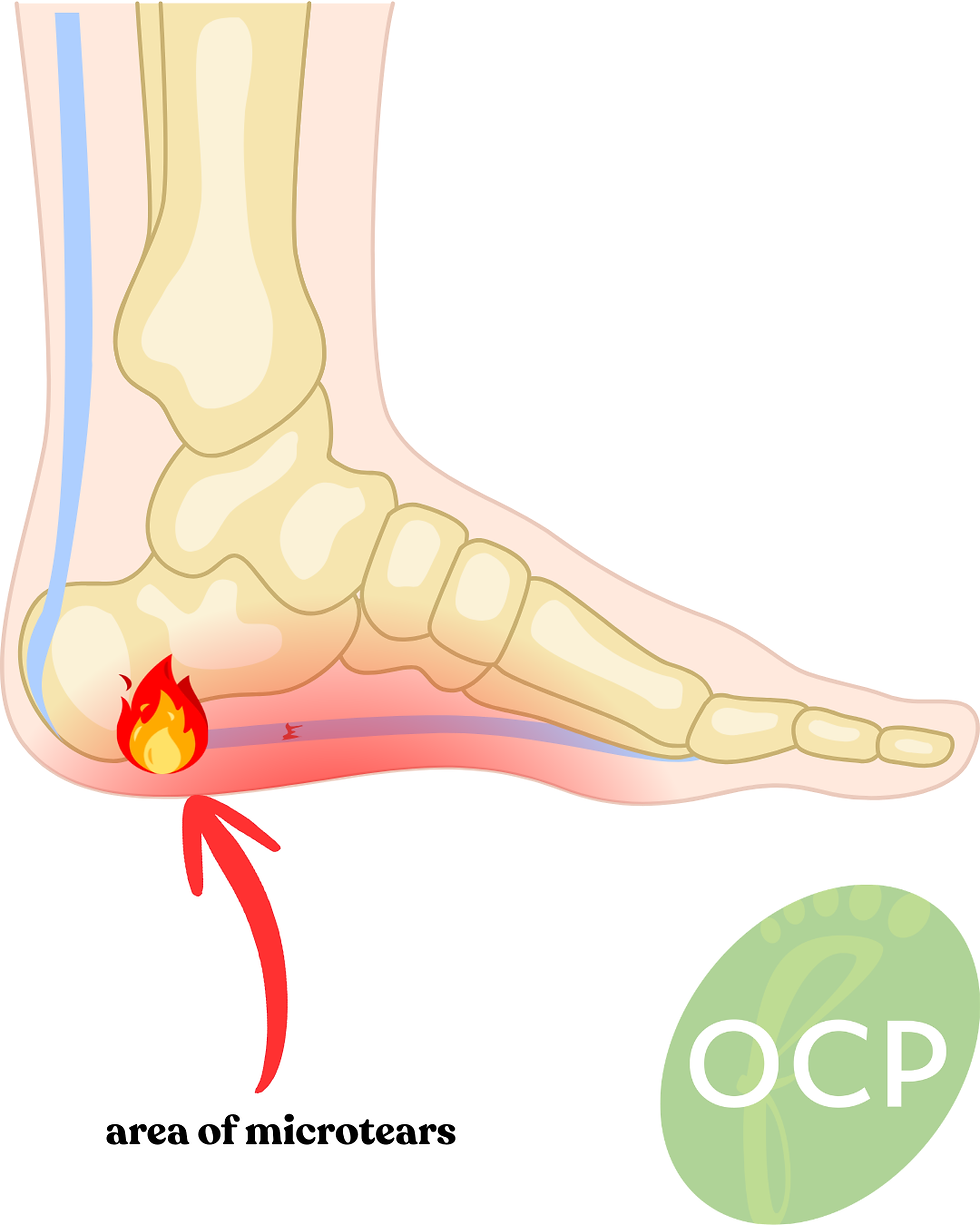
Plantar Fasciitis: Uninvited Shoulder of Menopause
Plantar fasciitis can become more common during menopause, especially with weight gain or lifestyle changes. Statistics show that roughly 10% of people experience plantar fasciitis at some point in their lives, and menopause can be a contributing factor.
To lessen the likelihood of developing this condition, establish a consistent stretching routine targeting your calves and feet. Utilizing heel cups and/or arch supports can provide additional support and help distribute your weight evenly across your feet. Last but not least, supportive shoes are essential in preventing painful flare-ups.
Compromised Balance and Coordination
Hormonal fluctuations during menopause can affect balance, increasing the risk of falls. This concern directly impacts foot health, as stable footing is essential for preventing injuries.
Incorporating strength and balance exercises, such as yoga, tai chi, or even simple at-home balance exercises - including walking barefoot to activate the nerve endings in your feet to remind your brain exactly where your feet are in space - can significantly enhance coordination. Research shows that engaging in these activities improves stability and reduces fall risk by up to 30%. These practices not only promote overall wellness but also lead to healthier feet.
Nail Changes: A Pinky Reminder
Menopause can also lead to nail changes, including brittleness, dryness with or without splits in the nails (onychorrhexis) discolouration, or slower growth. These changes tend to reflect overall health, as hormonal shifts impact nail hydration.
To care for your nails during this time, consider incorporating biotin supplements, which - anecdotally - can improve nail strength and health. In addition, regularly moisturising your feet using an urea-containing emollient (examples here) can support both skin hydration and nail health. If you encounter persistent nail issues, make sure to consult a podiatrist for individualized care.
Foot Care Tips During Menopause
Being informed is just the first step! Here are some practical foot care tips to keep your feet comfortable and healthy during menopause:
Choose Supportive Footwear: Invest in shoes that provide sufficient arch support and cushioning. Avoid high heels, anything slip-on or overly tight shoes that may aggravate foot issues.
Stay Hydrated: Drink enough water throughout the day to maintain hydration levels and help reduce swelling.

Stretch Regularly: Make foot and calf stretches a part of your routine, as this can enhance flexibility and lower injury risks.
Consult a Specialist: If you experience continuous foot pain, seek help from a podiatrist who can offer tailored advice and treatment options.
Embracing Change During Menopause
Menopause brings about various changes, but understanding how it impacts your feet allows you to navigate this chapter with confidence. By prioritizing foot health and seeking effective solutions, you can continue to enjoy your daily activities without discomfort.
Every woman’s experience with menopause is unique. With the right care and awareness, you can maintain your foot health and transition through menopause with finesse!
Disclaimer: the advice in this blog is for information only and is not a replacement for medical advice.
Want to have a chat about your feet?
You can book a virtual consultation with Felicity and send across photos for her to review. Book an appointment here.
#podiatrist #chiropodist #menopause #footpain #metatarsalgia #hormones #swollenfeet #painfulfeet #flatfeet #pesplanus #bunion #podiatry #chiropody #podiatrist #footexpert #dermatology #skincare #podshealheels #podsfixfeet #plantarfasciitis #footpain #lumpsnbumps #proudtobeapod #fungalnails #fungalnailtreatment #retronychia #arthritis #osteoarthritis #functionalhalluxlimitus #bunions #skincare #crackedheels #footstrikehaemolysis #ingrowingtoenail #toenails #ingrownnail #feet #runner #running #runclub #runnersproblems #athletesfoot #painfultoe #hardskin #footproblems #feettreat #oxford #oxfordshire #selfcare


Comments